







Working in Germany with the Opportunity Card
Use your professional training to immigrate to Germany
Advantages for applicants from non-EU countries
Until now, applicants from non-EU countries had to show a permanent employment contract or be considered a recognised skilled worker in order to work in Germany. Complicated entry procedures hinder the immigration of qualified workers from abroad. The Opportunity Card (“Chancenkarte”) is designed to change this. Applicants from non-EU countries are guaranteed a 12-month stay in Germany through the Opportunity Card in order to look for a job.
You can apply for the Opportunity Card either at the Foreigners’ Registration Office or at the competent German mission abroad in your country of origin (for example at the German Embassy).
Key advantages of the Opportunity Card
You must meet these basic requirements
With the introduction of the new residence title, the Federal Government simplifies entry conditions for prospective workers from non-EU countries. To obtain the Opportunity Card, you only have to prove that you have completed (at least) two years of vocational training or a university degree and that you have basic knowledge of German (A1) or English (B2). You will be required to finance your own living expenses in Germany. If you meet these basic requirements, you can use a points system to check the qualifications you need. You must achieve at least six points to be allowed to work in Germany.

How the points system works
Once you clear the basic requirements, a simple points system decides the rest. Points come from things like language ability, professional experience, age, and any existing ties to Germany — you need at least six of them in total. Language ability alone can take you most of the way there:
Language points
German at level A2 is worth 1 point, B1 is worth 2, and B2 is worth 3. Holding an English certificate at C1 or above adds one further point on top of that.
Certificates that count
For German: the Goethe-Institut certificate, TestDaF, or the German Language Diploma (DSD). For English: TOEFL, LanguageCert, or a Cambridge English qualification.
Proving you can support yourself
Because the Opportunity Card is granted for job-seeking rather than for a confirmed salary, you need to show you can cover your own living costs for the year. Most applicants do this with a blocked account: since 1 January 2026, that means holding roughly €13,092 for the full year, paid out to you in monthly instalments.
Already have a part-time offer of around 20 hours a week at minimum wage or better? That income can satisfy the requirement on its own, so a blocked account isn’t always necessary.
Two things worth reading before you apply:

Life as a skilled professional in Germany
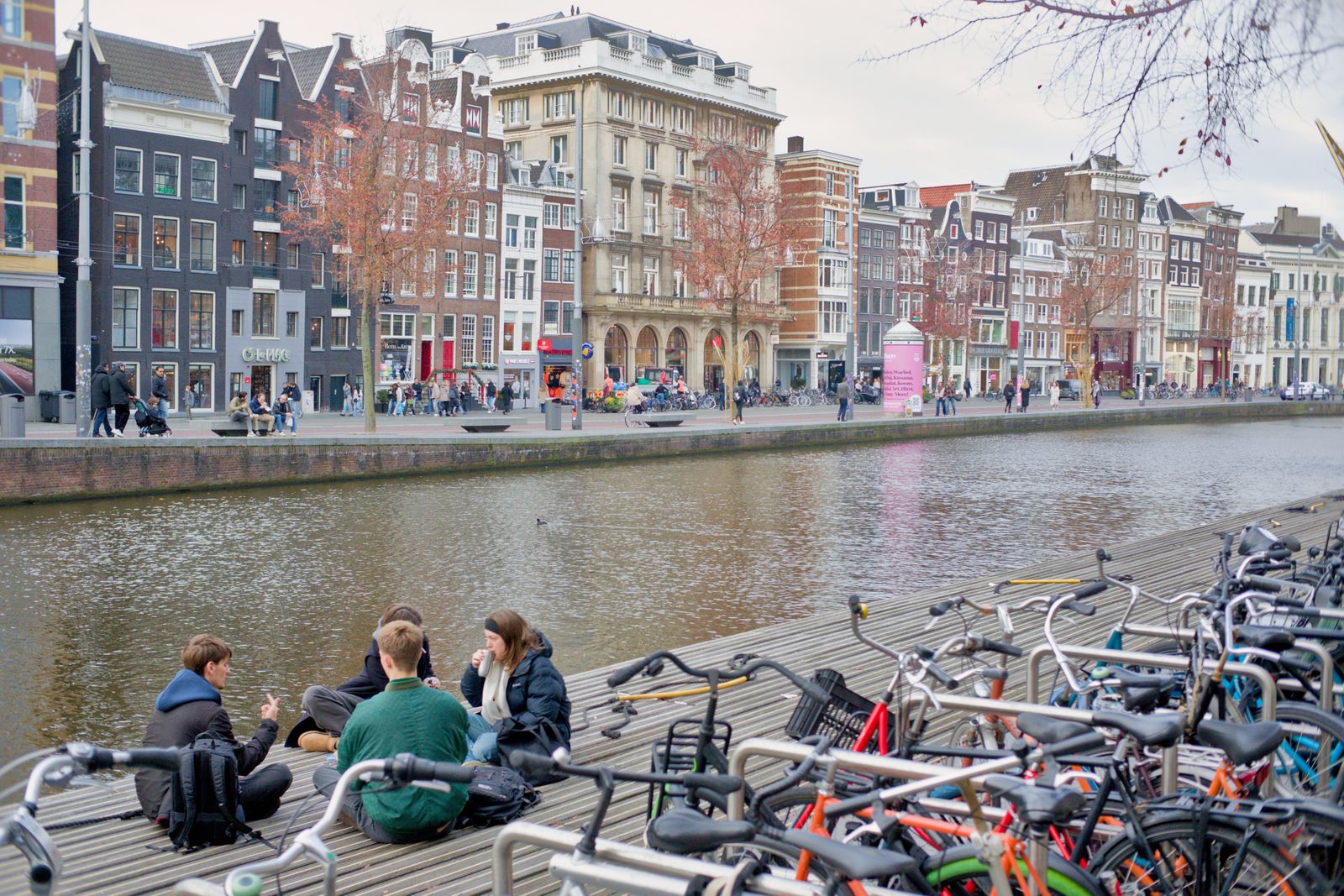
A glimpse of the everyday — campuses, workplaces, and the people you’ll meet along the way.







How and where to apply
Where to apply
Start at the German embassy or consulate responsible for your place of residence. Already in Germany on another visa? You can usually apply directly at your local Foreigners’ Registration Office (Ausländerbehörde) instead.
Processing usually takes a few weeks to a few months, depending on the mission or office handling your case — so it pays to start early.
What you’ll need to bring
- A valid passport
- Proof of your vocational training or university degree
- Your language certificate — German A1 or English B2 at minimum
- Evidence you can cover your living costs — a blocked account or a job offer
- Proof of accommodation in Germany, such as a rental contract
Frequently asked questions
Can I be self-employed with the Opportunity Card?
Not directly. The Card is issued for employed job-seeking, so self-employment means switching to a different residence title at your local Foreigners’ Registration Office first.
Can my spouse or children join me?
Not automatically. Family reunification generally requires your own status to change to a longer-term residence title first, after which your family can apply for their own permits.
Can I renew or extend the Opportunity Card itself?
Not as-is. Once you find suitable work, the idea is to change to a follow-up residence title rather than repeat the search year — that follow-up title is what actually gets extended.
Can I use it to study at a German university instead?
No — the Opportunity Card only authorises job-seeking and employment. Studying needs separate admission to a study programme and its own residence title.
Does it let me work anywhere in the EU?
No, it only covers Germany. Working in any other EU country would require that country’s own residence and work permit.
Ready when you are
The Opportunity Card gives you a quick, straightforward way into Germany and a full year to find work that fits your qualifications. Land a job during that year, and you’re in a strong position to move onto a longer-term residence title — you’ll just need to apply at your local Foreigners’ Registration Office with your employment contract or job offer in hand.
To recap what you’ll need: two years of vocational training or a university degree (no German recognition procedure required beforehand), basic German (A1) or English (B2), and a way to cover your own living costs while you search.
If that sounds like you, the points system is usually just a formality — most applicants with a genuine qualification and a bit of language ability clear the six-point bar comfortably. Create your account and we’ll walk you through the rest.
Start Your Application